
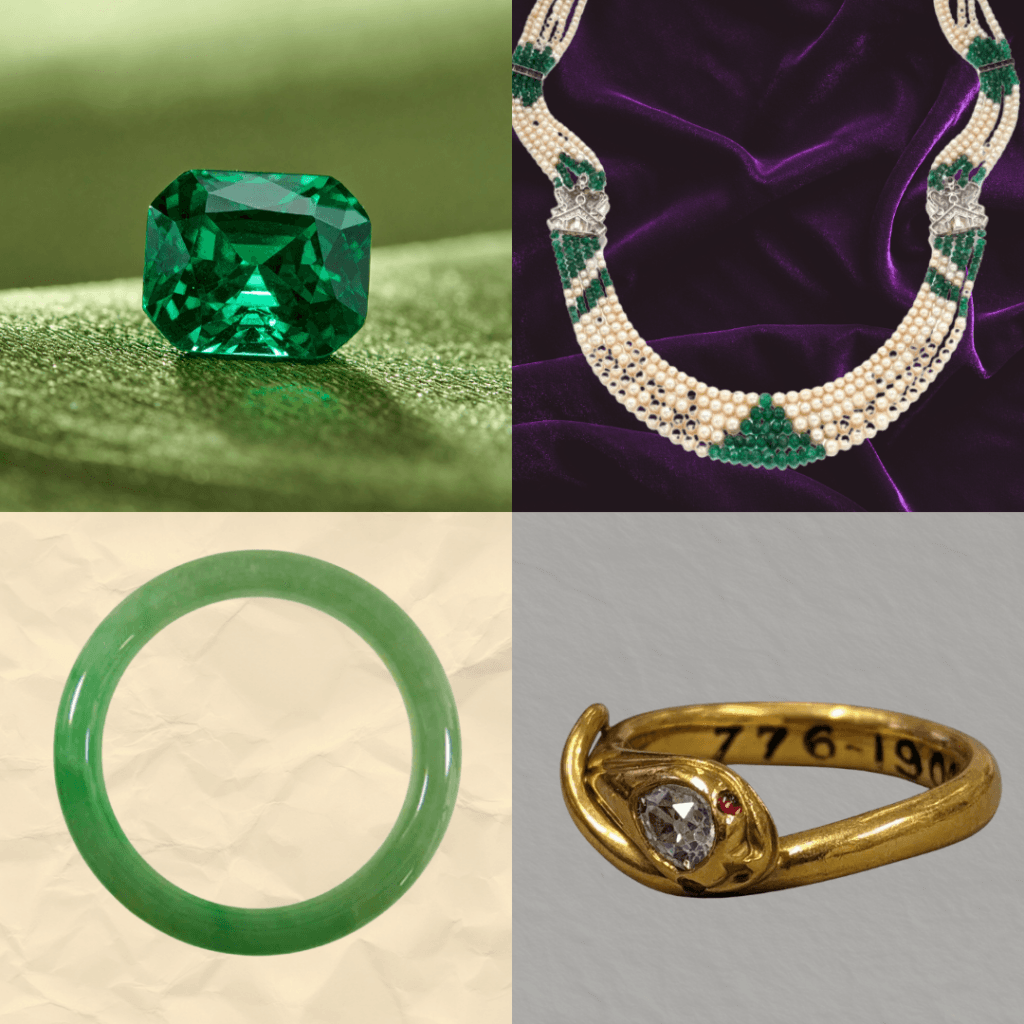
When we study women in history and gemstones, we are not merely studying decoration; we are studying political intention and cultural identity. Across centuries, remarkable women chose specific minerals not for fleeting fashion, but for their inherent meaning, physical endurance, and symbolic weight.
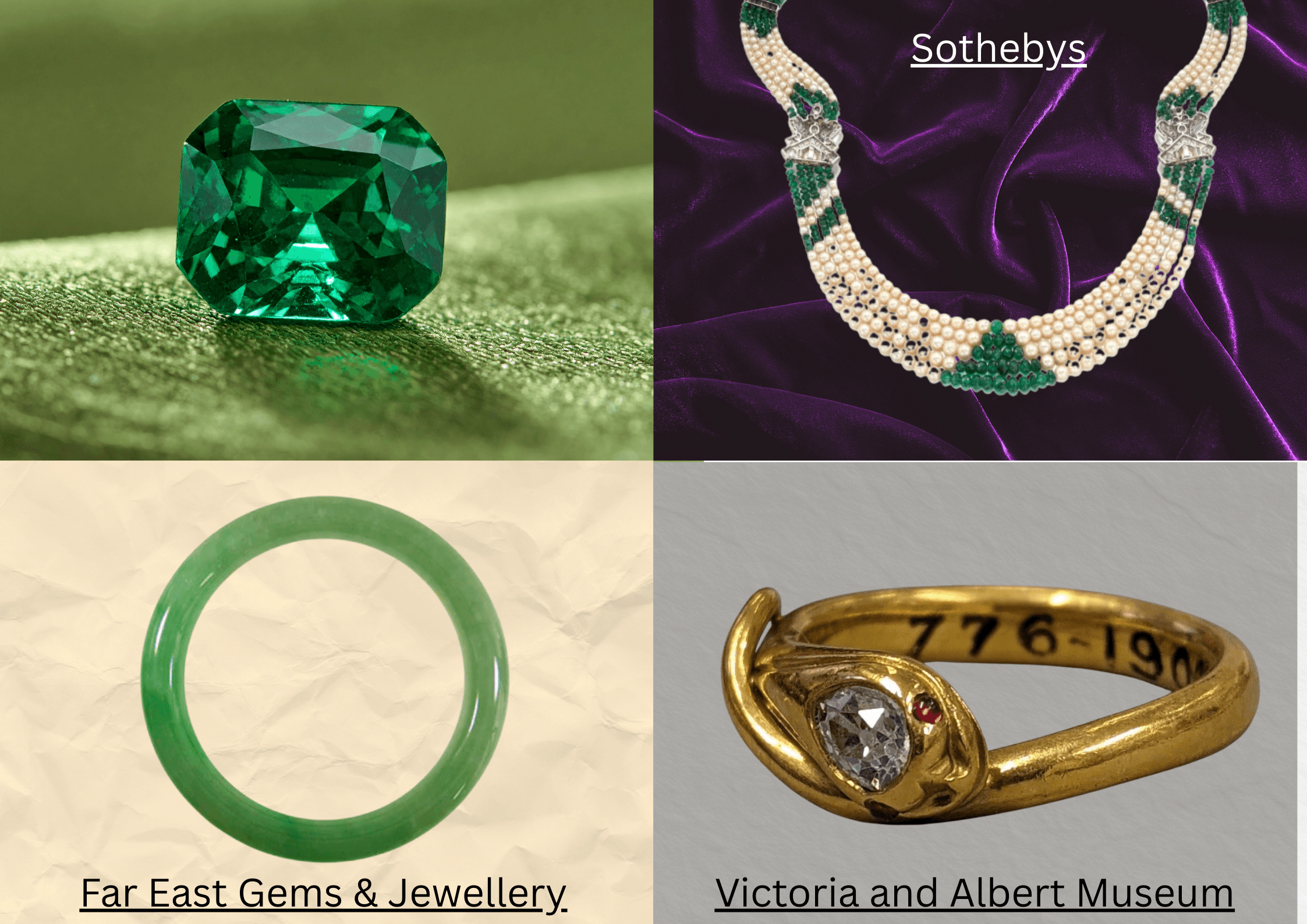
links to the photos
https://fegj.com.sg
https://www.sothebys.com/en/buy/auction/2024/fine-jewels-l24051/cultured-pearl-emerald-and-diamond-necklace
https://collections.vam.ac.uk/item/O118205/ring-unknown/
These were not impulsive aesthetic choices. They reflected power, spiritual belief, and a calculated decision on how a woman wished to be remembered. Many of these gems survive today as “monuments,” long after empires have fallen. This is the journey of a gemstone from the geological mine to a historical monument.
At a Glance: Gemstone Meaning in History
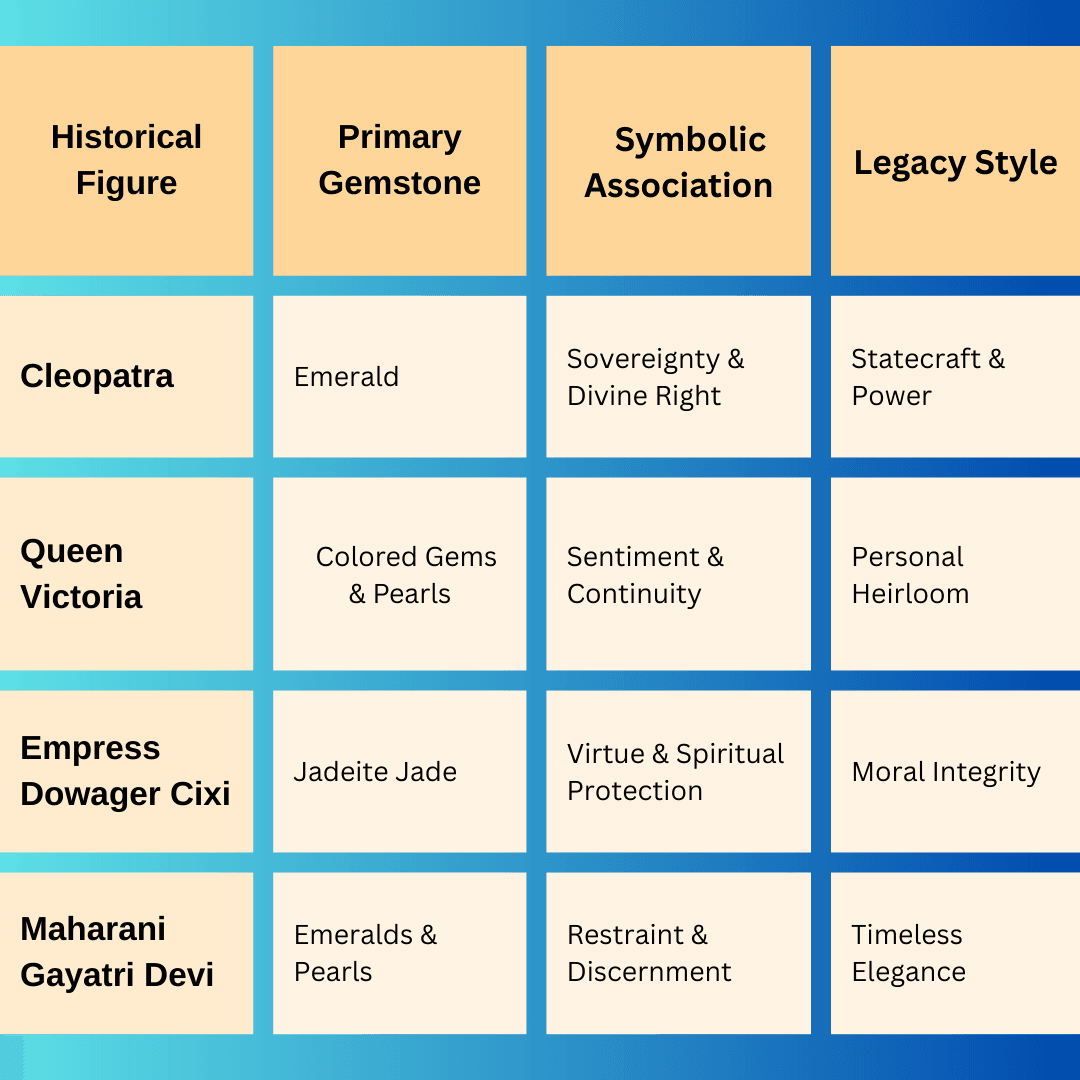
Cleopatra and Emeralds: Identity Carved in Stone
Cleopatra’s association with emeralds was a masterclass in sovereignty. While emeralds—a variety of the mineral beryl—were mined in Egypt’s Eastern Desert as early as 1500 BCE, Cleopatra was the first to industrialize and claim total control over these mines (now known as “Cleopatra’s Mines“).
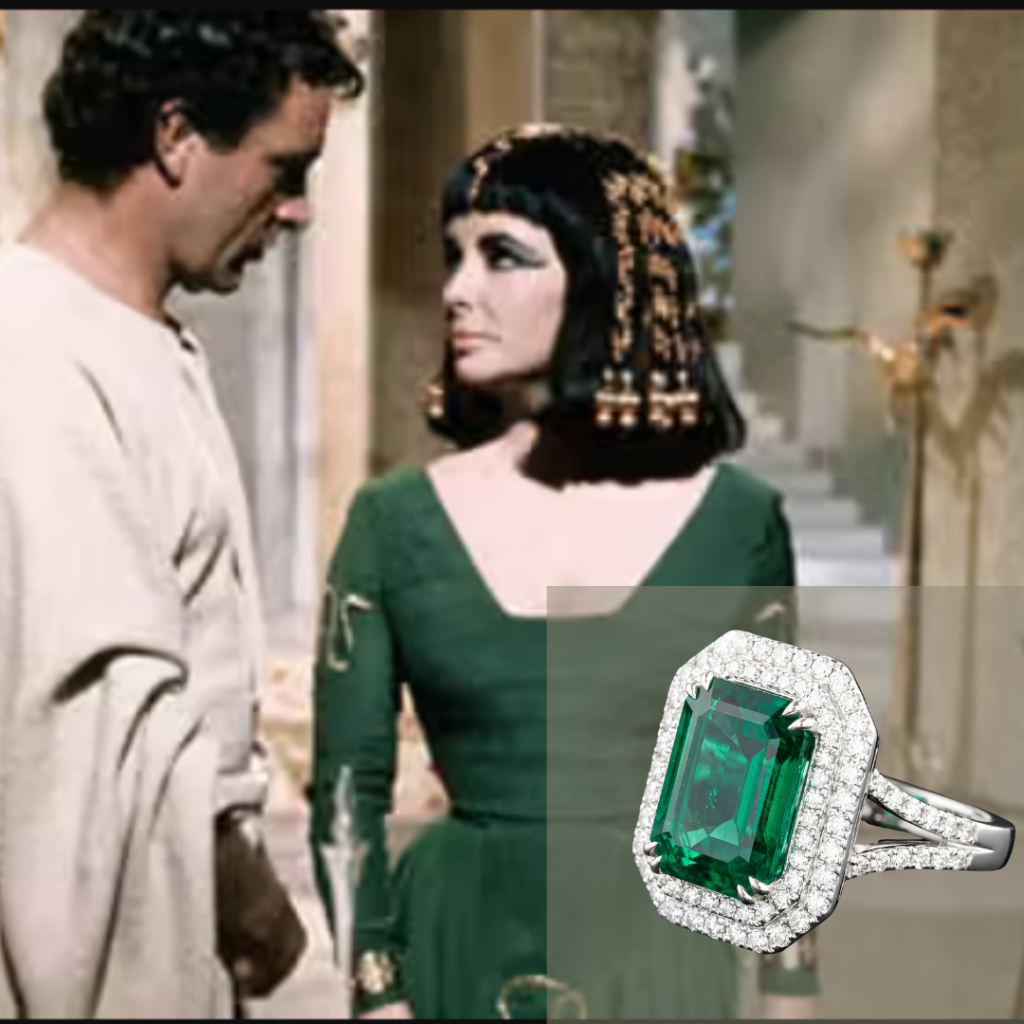
This was not jewelry for adornment; it was jewelry as statecraft. By wearing emeralds, which rank 7.5 to 8 on the Mohs scale of hardness, Cleopatra signaled her permanence. In ancient Egyptian lore, the green hue symbolized fertility, rebirth, and the life-giving Nile. By monopolizing this gem, she aligned herself with the land’s wealth and divine power. Her emeralds reinforced an identity of authority that remains synonymous with her name thousands of years later.
Learn more about gemstone origins and formation.
Queen Victoria: From Magnificence to Memory
Queen Victoria reshaped how the modern world understands jewelry. Prior to her reign, jewelry was largely a display of wealth. Victoria shifted the focus to sentimentality and private legacy.
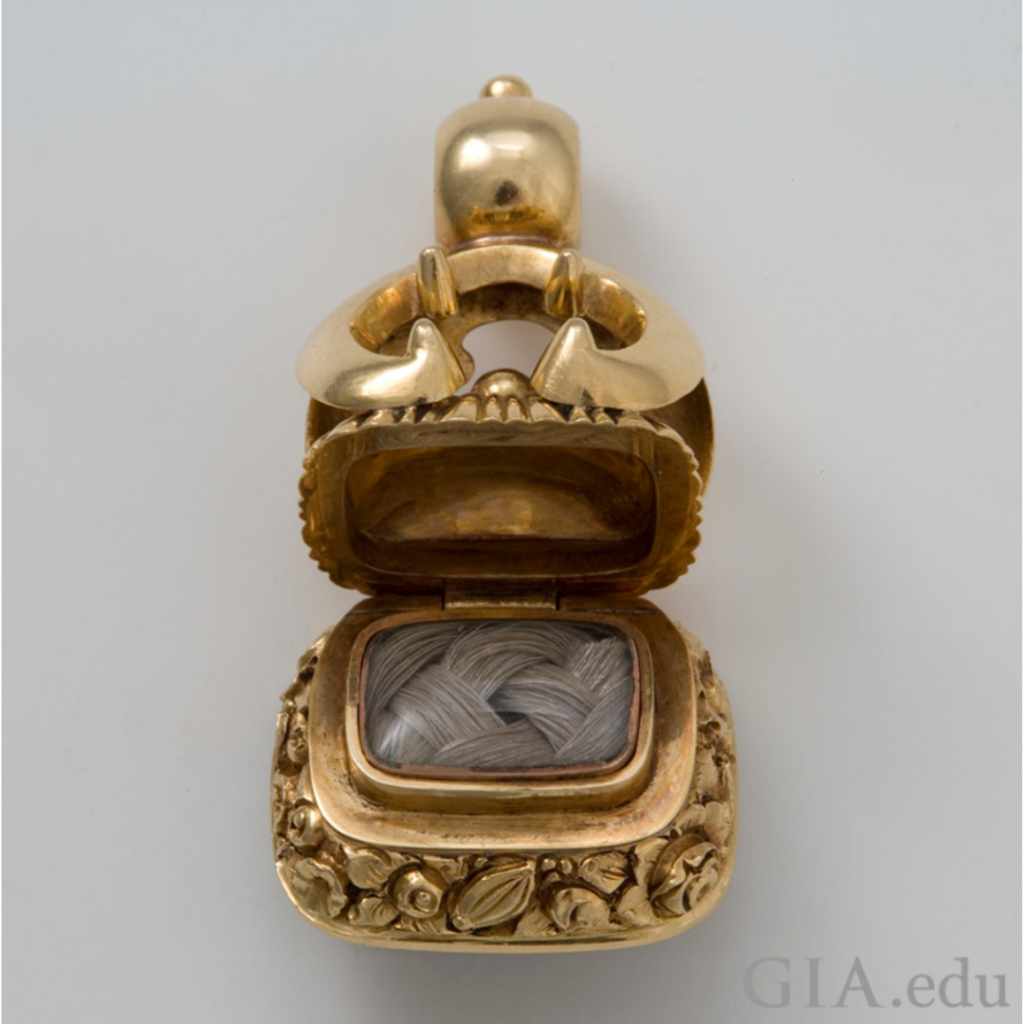
She popularized birthstones and mourning jewelry, embedding memory into the very structure of the pieces. Whether it was a serpent ring set with an emerald (her birthstone) or lockets containing locks of hair, her choices focused on the emotional weight of the mineral. Under her influence, gemstones became vessels for family history, birthing the modern concept of the “heirloom.” A gem chosen to hold a memory becomes far more durable than one chosen only to impress.
Empress Dowager Cixi: Jadeite as Authority
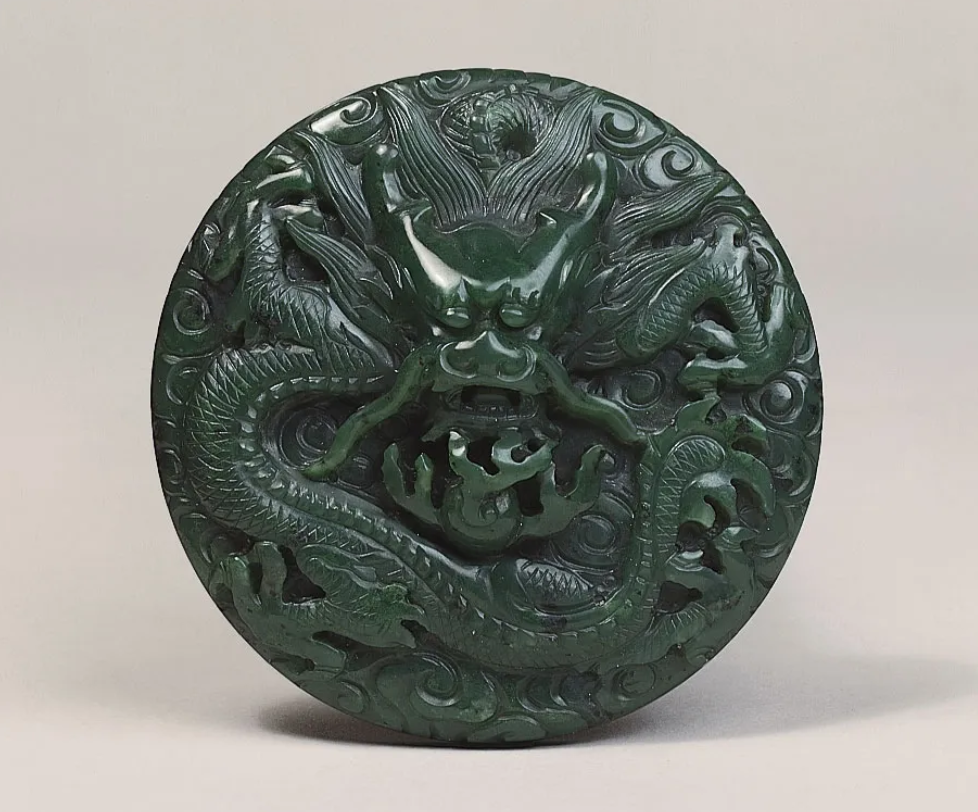
In Chinese culture, jade is often valued higher than gold. For Empress Dowager Cixi, Jadeite Jade was not an ornament but an embodiment of moral integrity and longevity.
Jade is unique because of its toughness (resistance to fracturing), making it the ideal medium for intricate carvings that survive for generations. Cixi wore jade daily as a spiritual armor. It was believed to protect the wearer and preserve the spirit after death. Her extensive collection of imperial green jadeite remains a cornerstone of Chinese cultural artifacts today, proving that true authority does not fade. It becomes a monument.
Maharani Gayatri Devi: The Power of Restraint
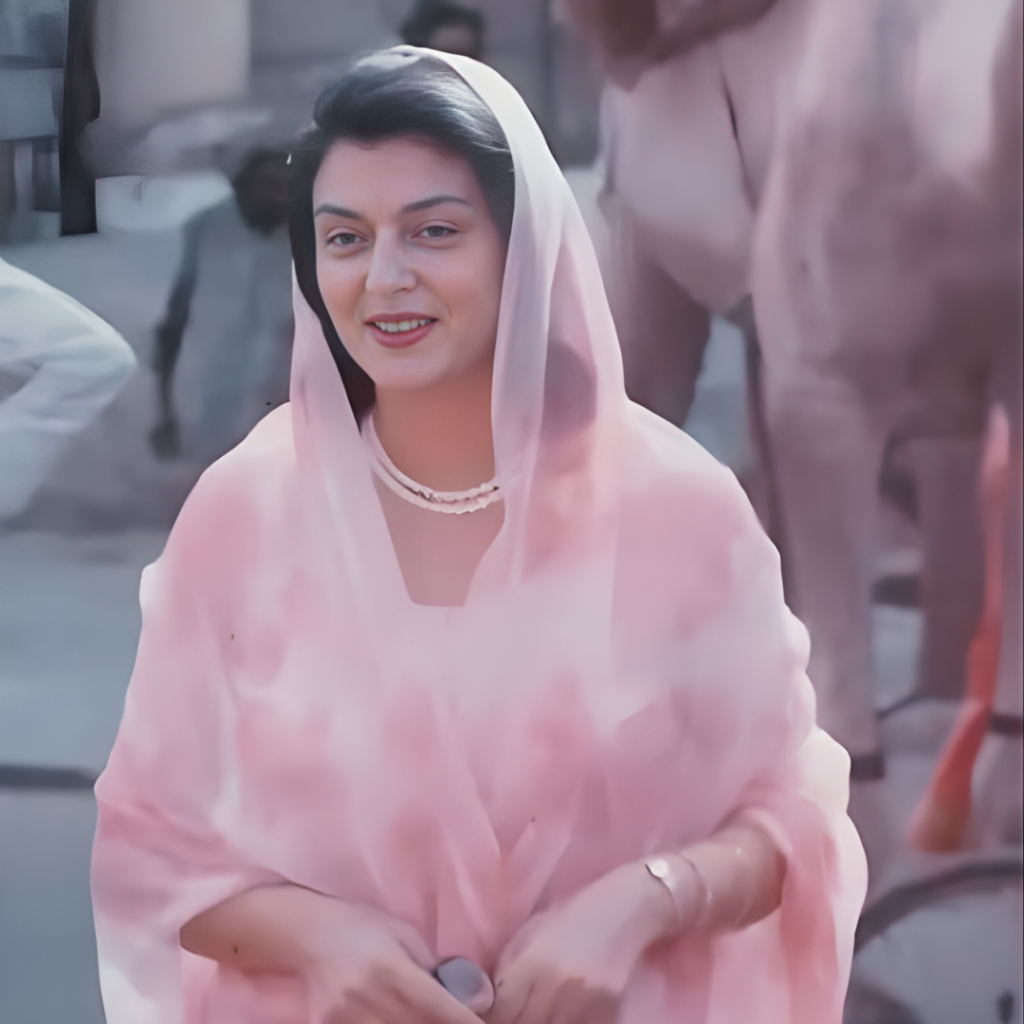
Maharani Gayatri Devi of Jaipur represented a shift toward discernment. Known for her “quiet luxury” long before the term existed, she often paired exquisite emeralds and natural pearls with simple chiffon sarees.
Her choices reflected clarity and self-assurance. She understood that the quality of a gemstone—its saturation, luster, and transparency—spoke louder than excess. Her legacy teaches us that a gemstone moves beyond the market when it is chosen with a timeless eye. Legacy does not need spectacle; it needs the stability of a well-chosen stone.
Why Legacy Gems Matter Today
Across regions and centuries, these women shared a common understanding: a gemstone must endure both physically and culturally.
- Hardness & Toughness: The stone must survive daily wear (Stability).
- Symbolism: The stone must represent a value (Meaning).
- Quality: The stone must maintain its beauty across generations (Rarity).
When choosing a gem today, the question is not what is trending on social media. It is: What will still speak when stories are retold and names are remembered? That is where your legacy begins.
FAQ: Women in History and Gemstones
Why did powerful women in history choose specific gemstones?
Gemstones were used as non-verbal communication. They signaled authority, divine protection, and personal identity through their rarity and cultural symbolism.
Which gemstones are best for building a legacy?
High-durability stones like diamonds, sapphires, rubies (corundum), and emeralds are preferred for their ability to withstand the passage of time without losing their luster.
What is the difference between “hardness” and “toughness” in historical gems?
Hardness (Mohs scale) refers to scratch resistance, while toughness refers to a stone’s resistance to chipping or breaking. Jade, for example, is exceptionally tough, which is why historical jade artifacts remain intact today.
How can I start my own gemstone legacy?
Focus on natural gemstones with significant cultural or personal meaning. Prioritize quality over size and choose settings that protect the stone for future generations.
Discover more about choosing gemstones with legacy in mind.
