


Gemstones have fascinated people for centuries, appearing in jewellery, museum exhibitions, and family collections. Yet before they shine in a display case or crown, they begin their journey deep beneath the Earth’s surface. Understanding how gemstones are formed helps us appreciate why they are so rare, valuable, and meaningful across cultures.
How Are Gemstones Formed Naturally?
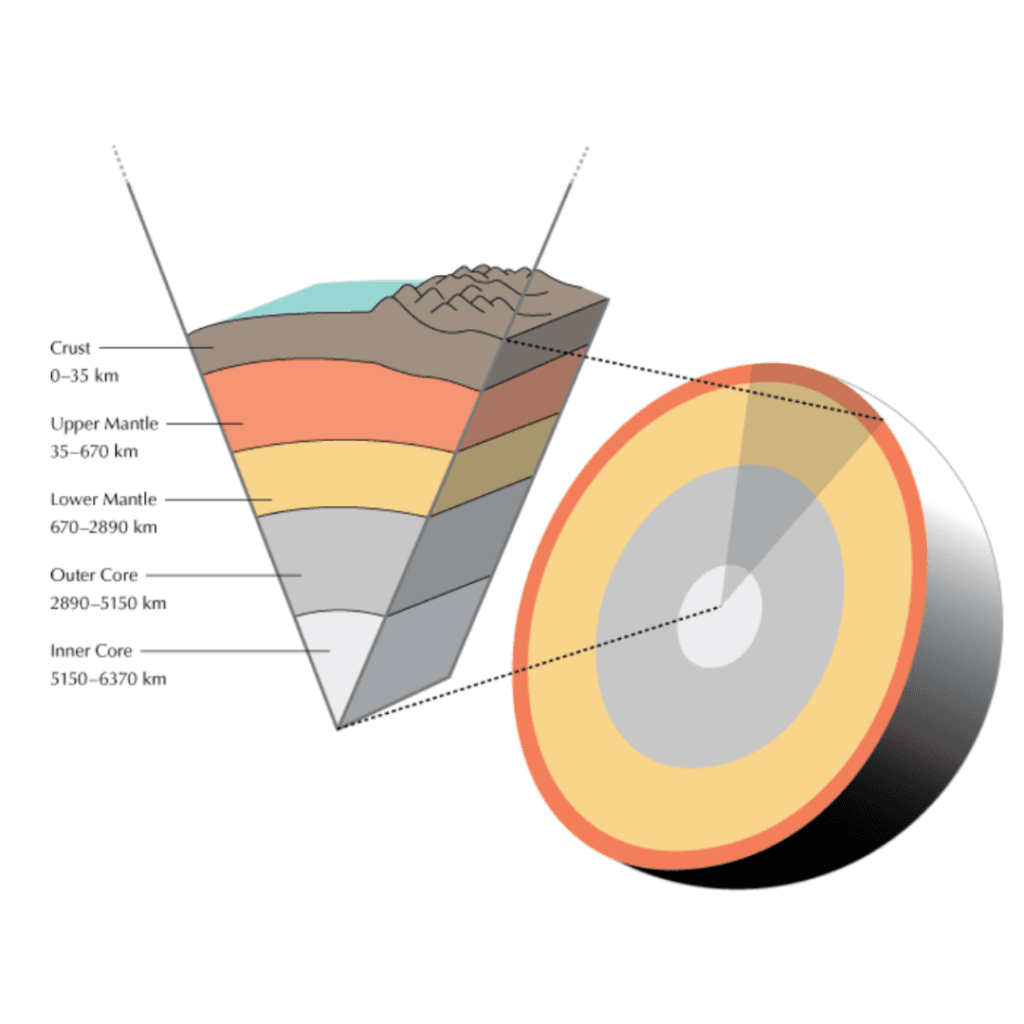
Most natural gemstones form under extreme geological conditions. Some crystallise from molten rock as it cools slowly beneath the Earth’s crust. Others are created when existing rocks are transformed by intense heat and pressure, changing their mineral structure over millions of years. A smaller group develops when mineral‑rich fluids move through cracks in rock, depositing crystals as temperatures shift. No matter the process, one factor is always present: time. Even the smallest gemstone crystal may take millions of years to grow, which is why gemstones are often linked to patience, endurance, and quiet strength.
Where Do Gemstones Come From?
Gemstones are found in diverse environments across the world. They can emerge from ancient mountain ranges shaped by tectonic movement, riverbeds carved by flowing water, deserts where minerals accumulate, or volcanic regions where heat and pressure create unique conditions. Each gemstone we encounter is a rare survivor of Earth’s long and active history, brought close enough to the surface for humans to discover.
Why Are Natural Gemstones Rare?
Rarity is not about fashion or demand; it is about nature itself. Gemstones only form when temperature, pressure, chemistry, and time align perfectly. Many minerals exist in the Earth, but only a few meet the strict requirements to become gemstones, and even fewer survive erosion, geological change, and extraction. This is why rarity is a natural fact, not simply a marketing idea.
How Long Do Gemstones Take to Form?
The answer is almost always measured in millions of years. Some gemstones began forming hundreds of millions of years ago, long before humans existed. This immense timescale is part of their enduring appeal, connecting us to a world far older than ourselves and reminding us of nature’s patience and persistence.
From the Earth to Human History
Once gemstones emerge from the Earth, their story continues through human hands. Across cultures, they have been symbols of authority in crowns and regalia, objects of devotion in religious artefacts, and personal adornments marking milestones and memories. Gemstones endure. They resist decay. They outlast generations, becoming markers of continuity in human life.
Why Understanding Gemstone Origins Matters
Today, gemstones are often seen as luxury items. But when we understand their origins, we see them differently. They are natural records of time, each carrying a history that began long before discovery and may continue long after it leaves our care. This perspective encourages thoughtful ownership, careful stewardship, and respect for both nature and craftsmanship.
Frequently Asked Questions About Gemstone Formation
How are gemstones formed naturally?
Natural gemstones form through geological processes involving heat, pressure, and mineral rich fluids over millions of years.
How long does it take for gemstones to form?
Most gemstones take millions of years to form, with some beginning their development hundreds of millions of years ago.
Why are natural gemstones valuable?
Their value comes from rarity, durability, beauty, and the long natural processes required to create them.
Are all gemstones formed in the same way?
No. Different gemstones form through different geological processes depending on their mineral composition and environment.
Visit Our Museum
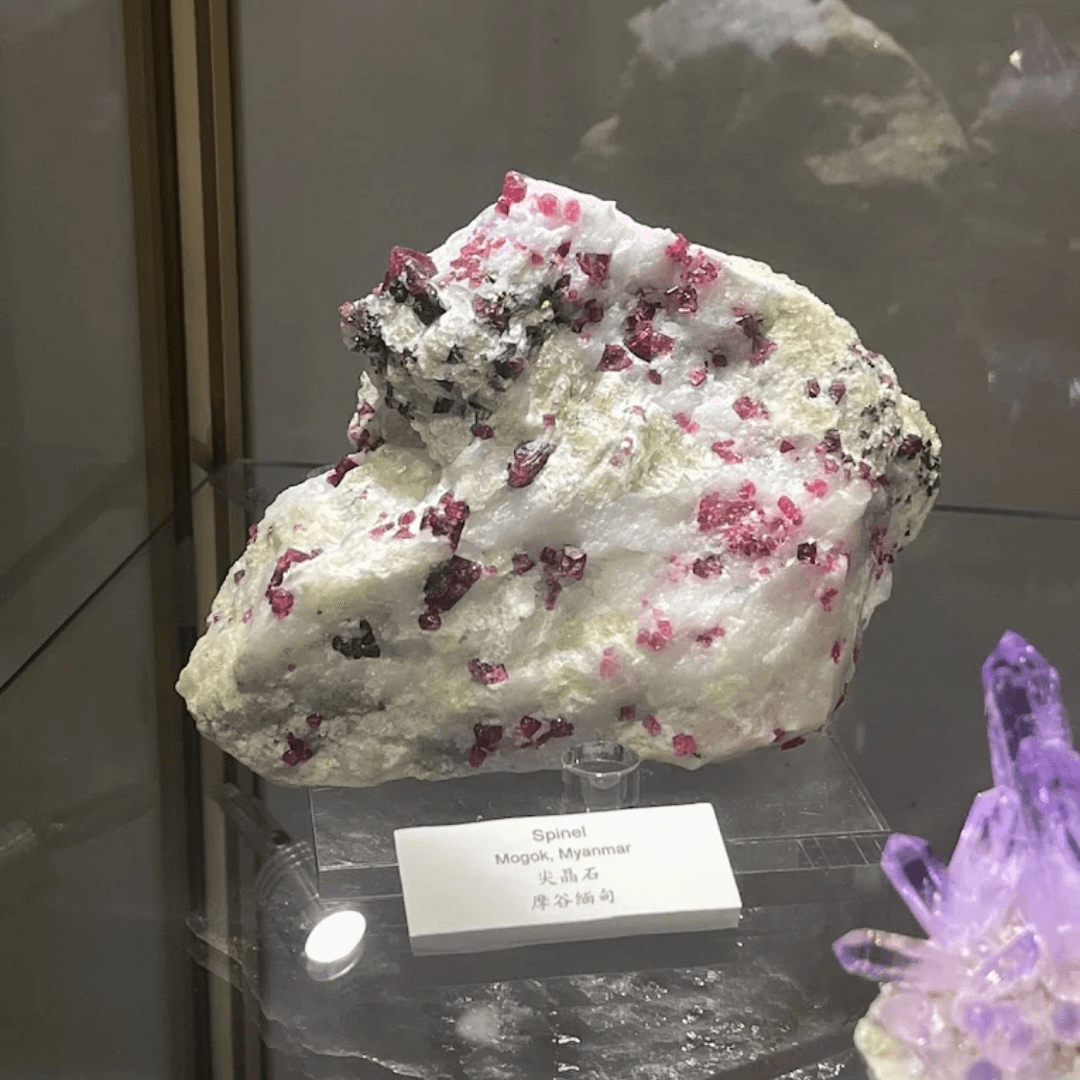
If you would like to see rare gemstones up close, visit our museum’s gemstone exhibition and explore treasures that began their journey millions of years ago. Each stone tells a story of Earth, time, and human history, offering a chance to connect with nature’s artistry and legacy.
If you’d like to read even more about gemstone formation, check out this article – Gemstone Formation in Earth’s Crust
